Short meaning: Surreal (adjective) describes experiences so strange, dreamlike, or bizarre that they feel unreal — as if happening inside a dream.
From Paris Galleries to Everyday Speech: The Origin Story
Few everyday words began in an art revolution. Surreal comes from French surréalisme — literally “beyond realism” (sur- “above, beyond” + réalisme “realism”).
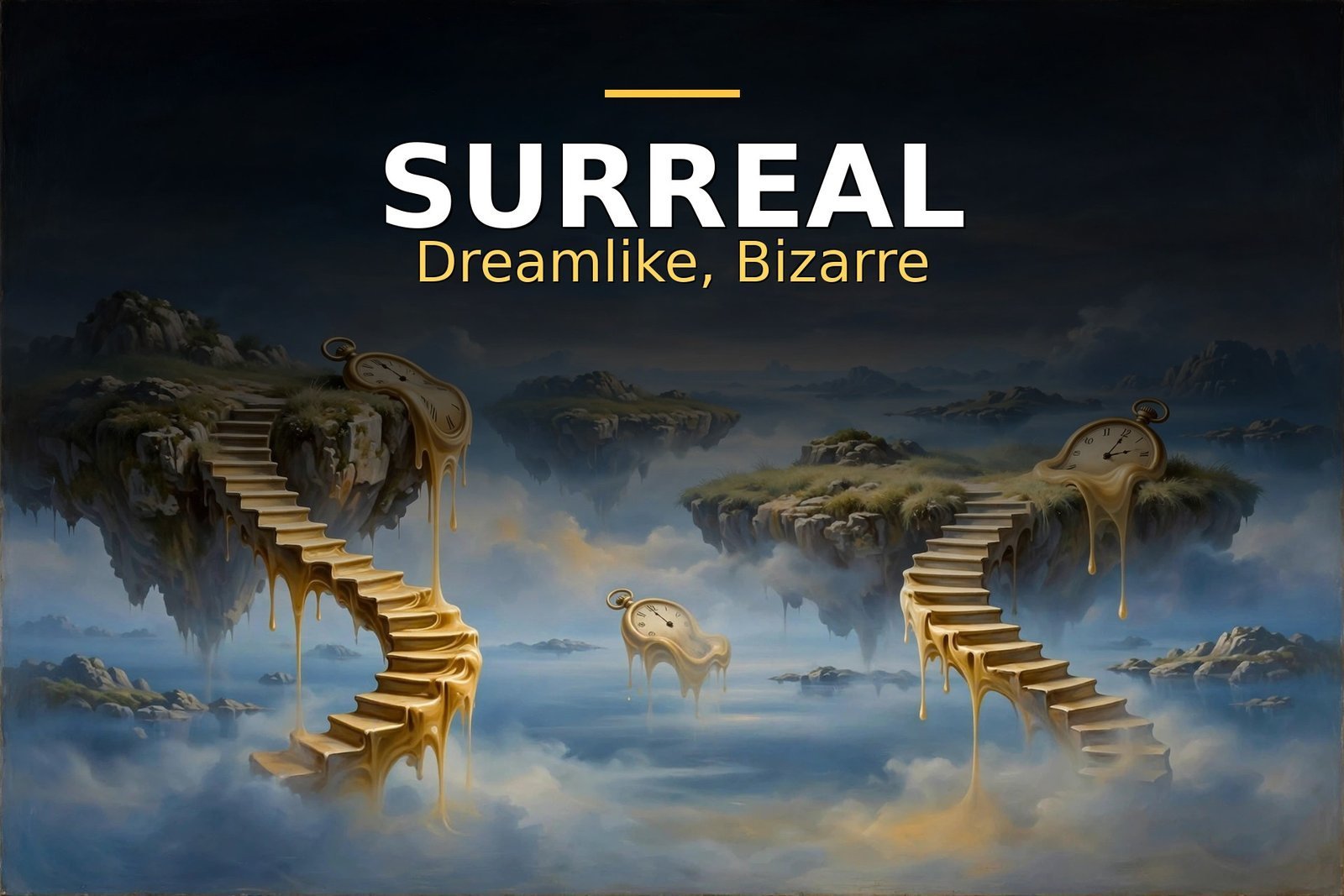
The term was coined by poet Guillaume Apollinaire in 1917, in program notes for the ballet Parade, to describe something beyond ordinary reality. Then André Breton seized it: his 1924 Surrealist Manifesto launched a movement dedicated to unleashing the unconscious — dream logic, impossible juxtapositions, the irrational made visible. Salvador Dalí painted melting clocks; René Magritte painted a pipe that insisted this is not a pipe.
By mid-century, the adjective had escaped the gallery walls. English speakers borrowed it for any waking experience with dreamlike strangeness — and it never went back. When you call a moment “surreal,” you’re quoting, however unconsciously, a 1920s Parisian art movement.
The Full Definition
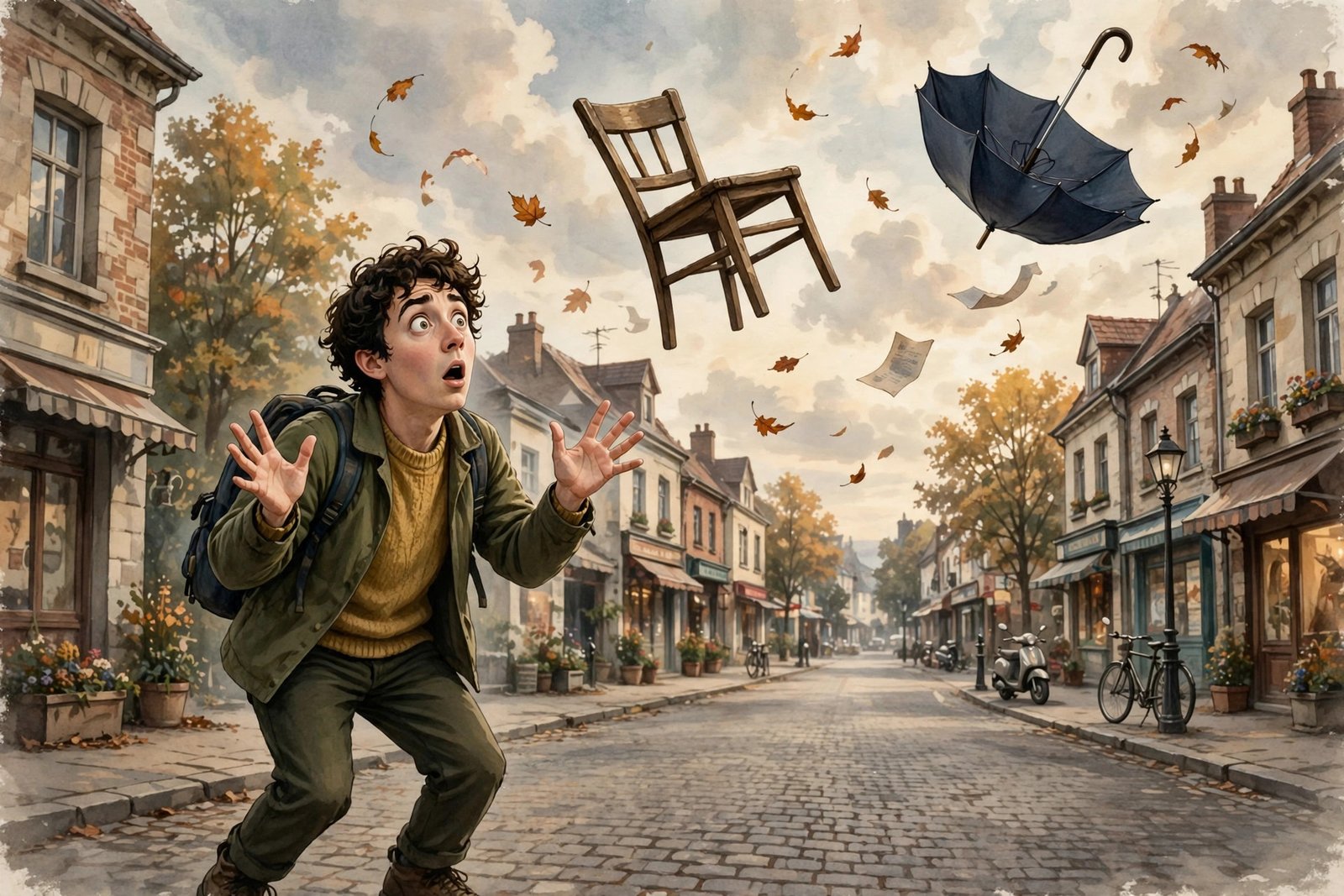
Surreal characterizes the uncanny intersection of reality and dream-logic: a celebrity encounter that feels staged, a coincidence too perfect to believe, a landscape that defies expectation. Saying “the whole evening was surreal” reports not mere surprise but a disorienting unreality — life briefly imitating dreams.
The key ingredient is the feeling of unreality. Something can be shocking without being surreal (a car crash is shocking, not dreamlike). Surreal requires that tilted, floating quality — the sense that the rules have quietly changed.
Surreal in Art, Film, and Literature
The word’s birthplace still shapes its use. Critics and writers reach for surreal when describing:
- David Lynch films, where suburban streets hide nightmare logic.
- Magical realist novels (Márquez, Murakami), where the impossible arrives without explanation.
- Dreams rendered in prose — any passage where narrative logic dissolves.
In formal writing, surreal does precise work: it tells the reader that a scene should be felt as dreamlike, not merely understood as odd. A journalist describing a war-torn street as “surreal” isn’t being decorative — she’s reporting the psychological texture of the place.
Poets, too, have claimed the word. When Sylvia Plath or T.S. Eliot describe dream-fragments bleeding into waking life, critics reach for surreal as the only adjective honest enough. The word has become critical shorthand for any art that refuses to behave like reality — which, a century after Breton’s manifesto, turns out to be a great deal of art.
Real Usage Examples
- “Meeting my childhood hero in a grocery store felt completely surreal.” (casual)
- “The empty streets during lockdown had a surreal, post-apocalyptic stillness.” (reflective)
- “It was surreal seeing my name in print for the first time — like watching someone else’s life.” (personal essay)
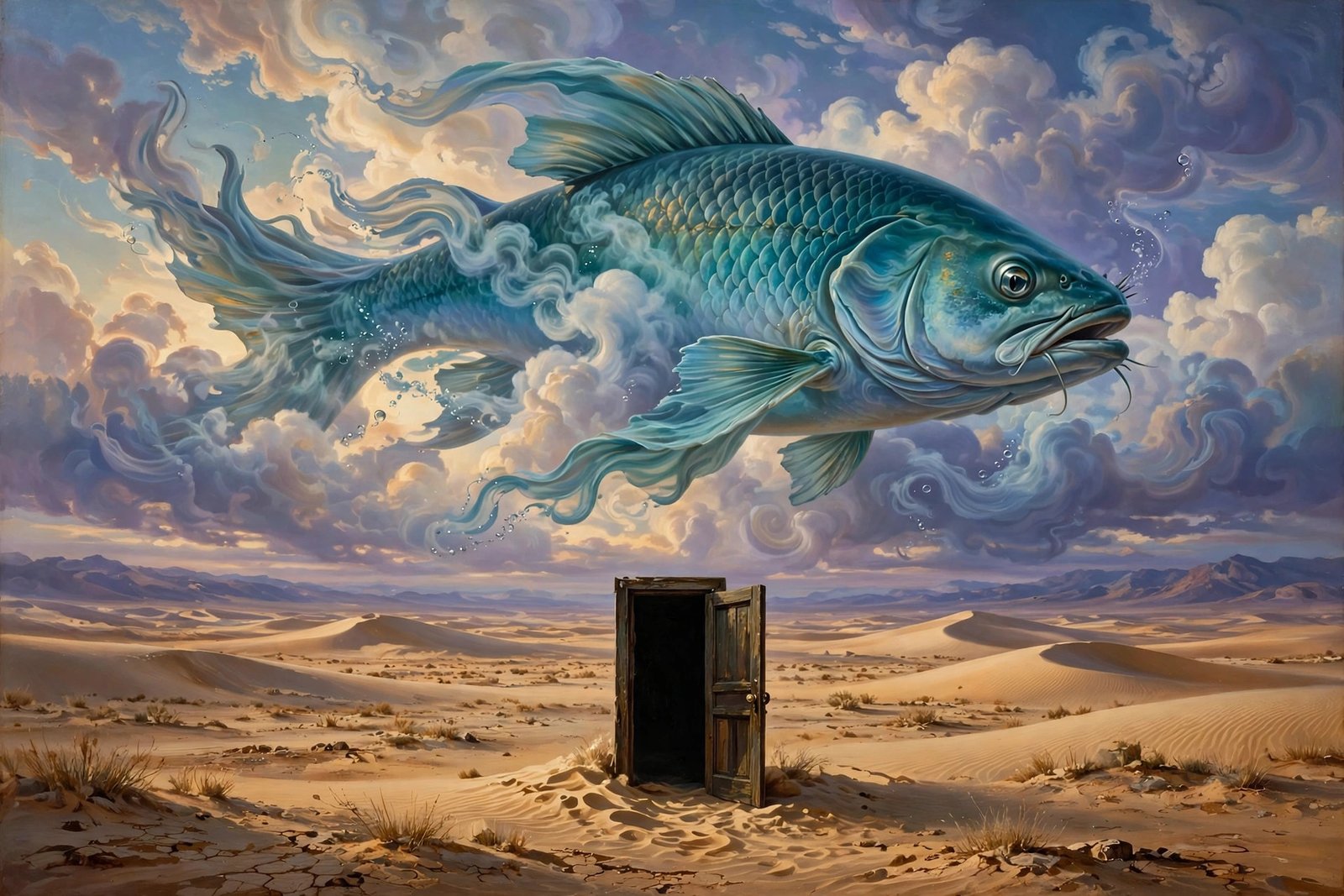
- “The desert at dawn possessed a surreal, alien beauty that photographs couldn’t capture.” (travel writing)
- “Dude, winning on the final play like that was absolutely surreal.” (conversational)
- “The courtroom fell into a surreal silence as the verdict was read.” (literary journalism)
Surreal vs. Weird vs. Uncanny: Clearing Up the Confusion
These three get swapped constantly, but they name different sensations:
- Surreal = dreamlike unreality. The defining note is “this feels like a dream.” (Meeting a celebrity, déjà vu made manifest.)
- Weird = general oddness. Broader and weaker — anything unusual qualifies. (A weird sandwich, a weird noise.)
- Uncanny = strangely familiar yet wrong. Freud’s unheimlich: the familiar made disturbing. (A lifelike robot, an empty childhood home.)
Hierarchy of precision: weird is the blunt everyday word; uncanny names a specific psychological shiver; surreal names the dream-state. If it doesn’t feel dreamlike, it probably isn’t surreal.
Synonyms and Antonyms
Synonyms:
– Dreamlike — resembling a dream (the closest plain equivalent)
– Bizarre — strikingly strange
– Phantasmagorical — like a shifting sequence of dream images
– Otherworldly — not of this world
– Hallucinatory — vividly unreal, as in a hallucination
Antonyms:
– Mundane — ordinary, everyday
– Prosaic — dull, matter-of-fact
– Realistic — true to real life
Tone and Register
Surreal is standard English for all registers — equally at home in a text message and a literary essay. That said, it carries more weight than “weird” or “crazy.” Because everyone senses its artistic pedigree, using surreal signals that you’re describing something genuinely disorienting, not just mildly odd.
Usage tip: Don’t dilute it. If everything is “surreal,” nothing is. Save it for moments with real dream-charge, and it keeps its power.
Frequently Asked Questions
What does “surreal” mean in simple words?
Dreamlike and bizarre — so strange that it feels unreal, like something from a dream.
What is the surreal definition?
An adjective describing experiences, scenes, or images with a dreamlike, irrational quality — as if reality briefly stopped following its own rules.
Where did “surreal” come from?
The French Surrealist art movement of the 1920s — coined by Apollinaire (1917), championed by Breton, Dalí, and Magritte.
Surreal vs. weird — what’s the difference?
“Weird” is general oddness; “surreal” specifically evokes dreamlike unreality. All surreal things are weird, but not all weird things are surreal.
How do you use “surreal” in a sentence?
“Standing on the empty stage after the concert, the silence felt surreal.” — use it for genuinely dreamlike moments.
Is “surreal” positive or negative?
Neither — it’s neutral. It describes strangeness, which can be wonderful (a dream wedding) or unsettling (a disaster zone).
Key Takeaway
Surreal is the word for life’s dream sequences — those rare moments when reality briefly forgets the rules. A century after Paris, it still carries a little of Dalí’s melting magic.
Explore more: Bizarre Meaning • Uncanny Meaning

Hi, I’m Mia Walker, a Content Research Writer at Hublioo.com with 3+ years of experience in creating educational language content.
I enjoy breaking down complex words, internet slang, abbreviations, and everyday expressions into clear, practical explanations that anyone can understand.
My focus is on delivering original, easy-to-read, and well-organized content that helps readers expand their vocabulary and use English with greater confidence.